

12th Century
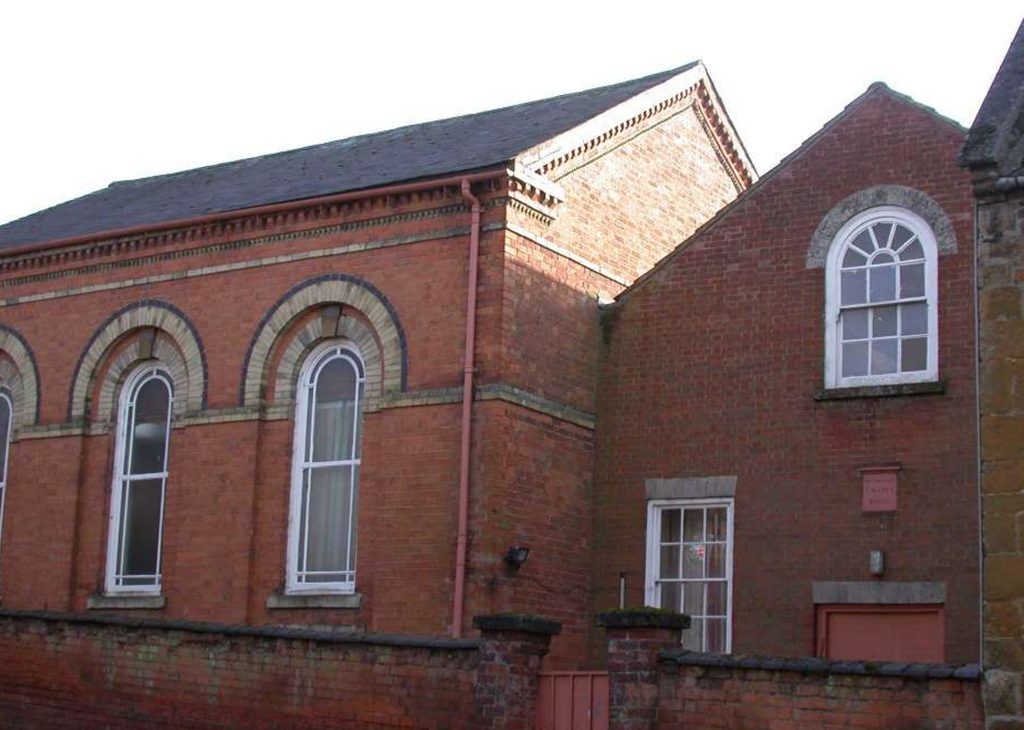
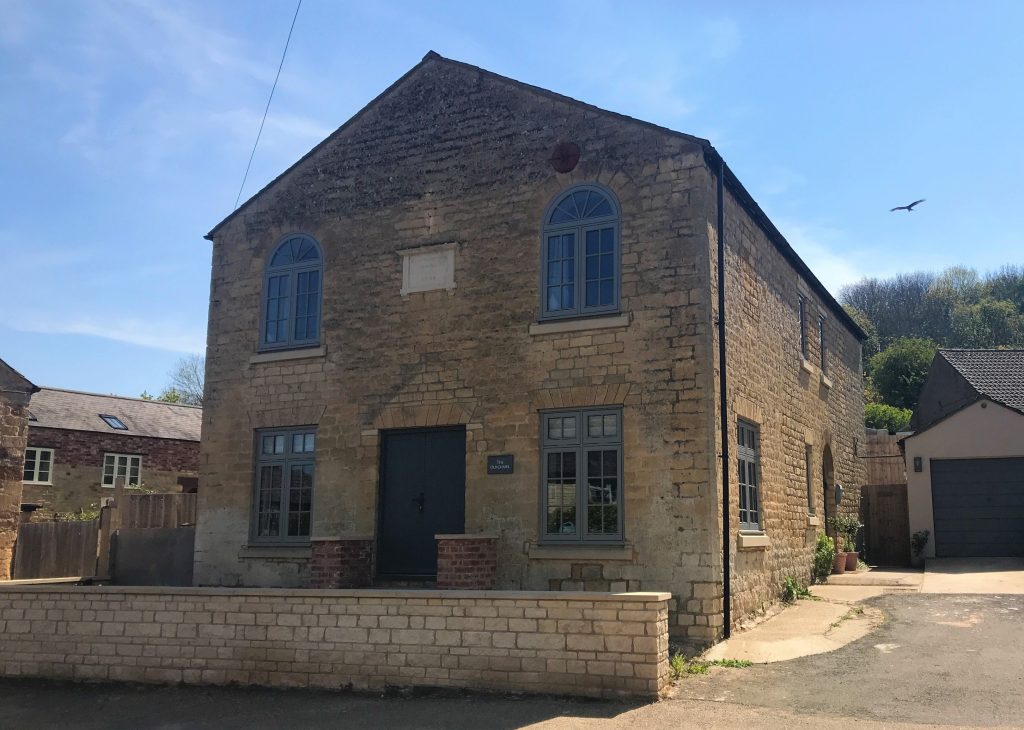
Opened 1808. Information to follow
The Peterborough Connection
From 1072 to 1541, Cottingham lay within the Diocese of Lincoln and, within this diocese, Peterborough Abbey was an extremely powerful seat of the church, with English kings having bestowed land, gold, silver and possessions on the Abbey (Kettering was given to the Abbey by King Edgar in 963, along with a great swathe of land). Also, rich landowners frequently gave part of their lands to religious establishments ‘for the benefit of their souls’, ie. to buy themselves a place in heaven!
At the time of the Domesday Survey (1086), Cotingeham was under the control of Peterborough Abbey. Sometime between 1135 and 1154 the Abbey lost control of Cottingham but, according the the Anglo Saxon Chronicle, the Abbey regained ownership in 1197 when, following 30 years of civil war and unrest under King Stephen, Martin de Bec, Prior at Peterborough Abbey, under the authority of the Pope.:
…got in the lands that rich men retained by force. From William Mauduit, who held the castle of Rockingham, he won Cotingham and Easton; and from Hugh de Walteville, he won Hirtlingbury and Stanwick, and sixty shillings from Oldwinkle.
Under this relationship, Peterborough Abbey would have sublet some of the lands it owned in return for rents – in the form of money and/or produce.
In 1539, Henry VIII passed the Act for the Dissolution of the Greater Monasteries. Peterborough Abbey was dissolved and its Abbot, John Chambers became Warden of Cotingeham. Following the dissolution, the Lincoln diocese was subdivided, and the Diocese of Peterborough was created. The boundaries of the Peterborough diocese are roughly contiguous with the boundaries of Northamptonshire together with Rutland.
In the 1854 to 1914 Post Office and Kelly’s Directories, the Rectory is recorded as being in the patronage of the principal and fellows of Brasenose College, Oxford.
Tithes and Glebe Lands
From the 10th Century, villagers would have paid tithes to the church – reluctantly! Originally, tithes were payments in kind and took the form of one tenth of each villager’s produce (crops, wool, milk etc). Tithes were split into great tithes and small tithes. Commonly, great tithes were paid to the rector for the area and small tithes to the local vicar. The vicar also earned income from glebe lands which were set aside for him in the village.
At the dissolution of the monasteries in 1539, much church land and the accompanying rectorial tithes passed into lay ownership. These tithes became the personal property of the new owners. Usually a vicar continued to have spiritual oversight of the parish and to receive its vicarial tithes.
In 1836, the Tithe Commutation Act permitted tithes to be commuted to rent charges. Each piece of land therefore needed to be given a value, based on the amount of produce that could be gained from it. Between 1838 and 1854, registers or terriers of land holdings were created, along with tithe maps, showing the land held by each person, either as owner or tenant, and its value.
The 1890 Kelly’s Directory records a tithe rent charge for Cottingham of £631, and a gross yearly value of £589 including 60 acres of glebe. By 1914, the yearly value had reduced to £403. The Tithe Act of 1936 attempted to replace tithes with redemption annuities, payable for 60 years to 1996. These annuities were to be paid to the State, with the original tithe owners receiving compensation for the lost income. However, the scheme was interrupted by the second world war and was suspended in 1956, by which time only half of the tithe districts